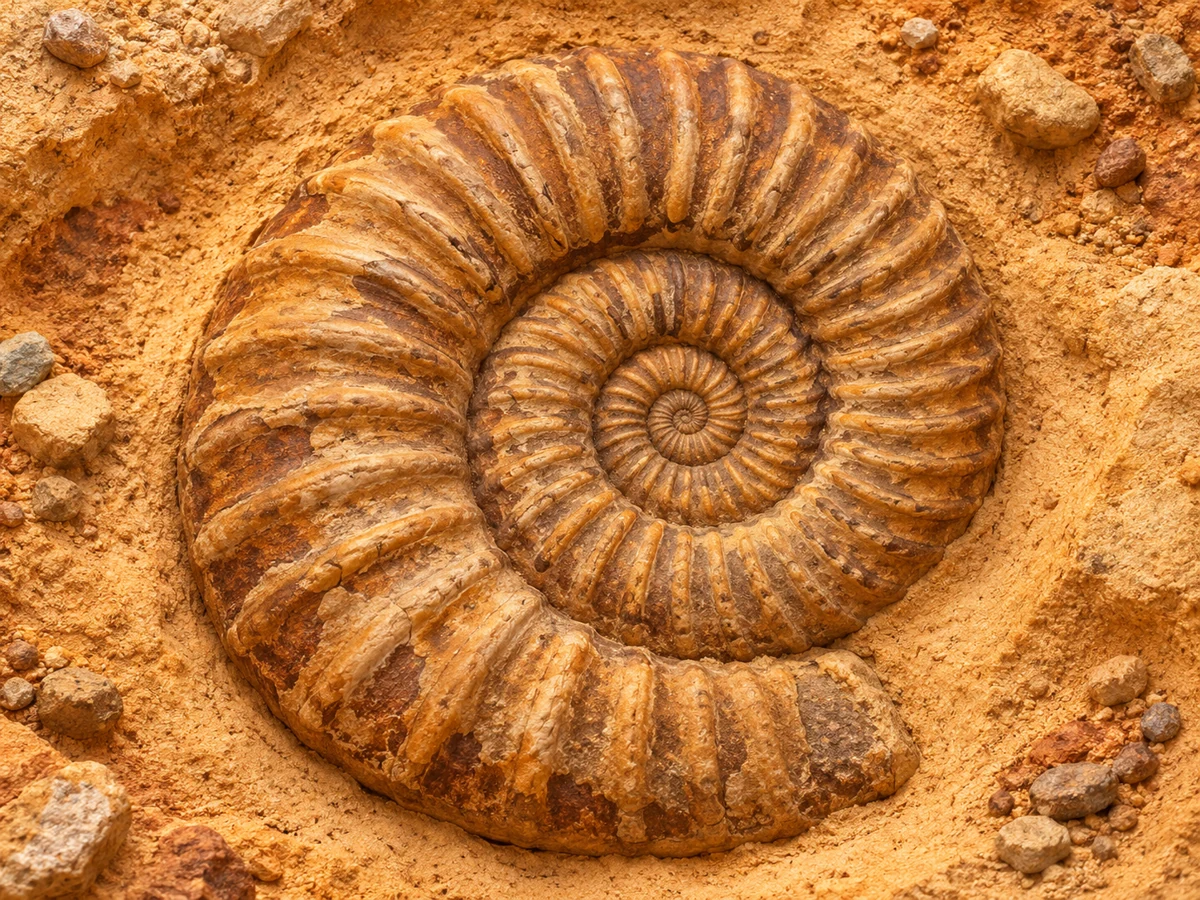
Ammonite
- Ammonites were sea animals, not dinosaurs.
- Chambers inside their shells helped them float.
What we cannot tell: A spiral alone cannot tell us the exact kind of ammonite.
Brush away the soil. Follow a clue. Keep a little piece of the past.
Brush or tap the soil Drag or tap, use “Brush a little”, or reveal the whole fossil. Every way counts.
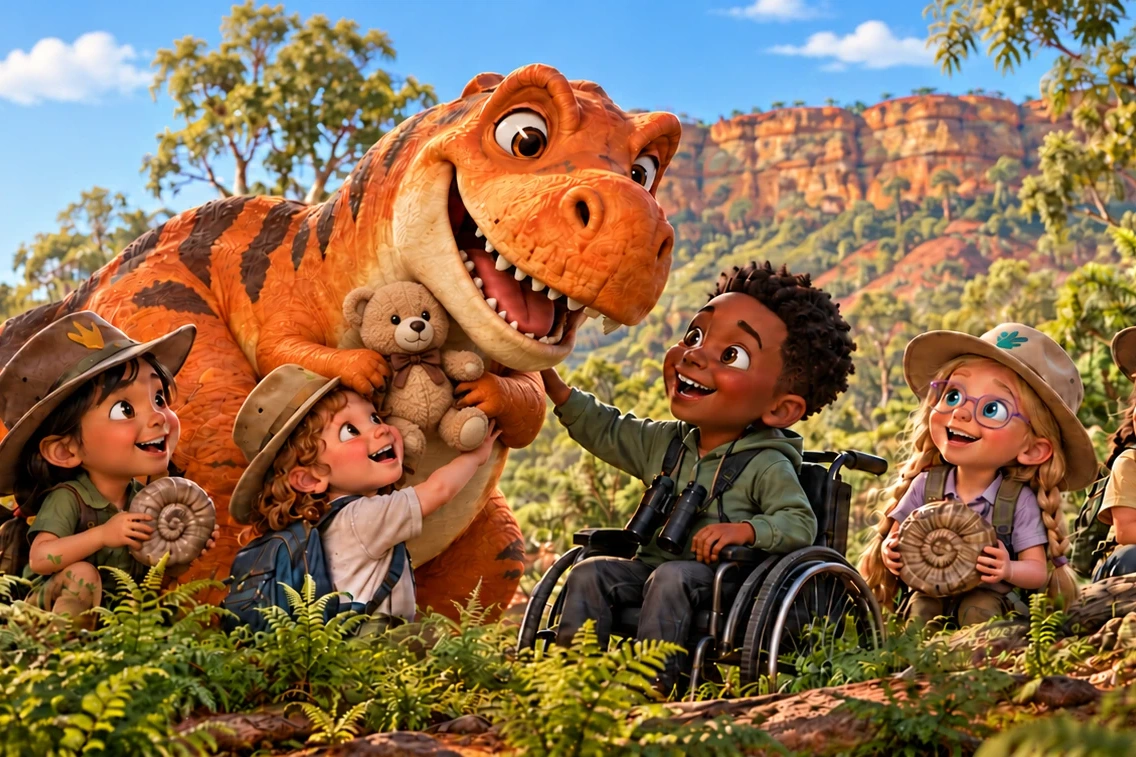
Banjo’s here to help.Take a closer look, explorer.
Look for a curled shell with ridges.
Which picture matches your find?
There’s no rush. You can brush more or try a picture.
A scientist would ask…
Little finds. Big questions.
Clear all discoveries and restart this activity on this device? Your downloaded journal files will stay with you.
Digging needs JavaScript. You can still explore all six finds and their facts below. No account or child details are needed.
What we cannot tell: A spiral alone cannot tell us the exact kind of ammonite.
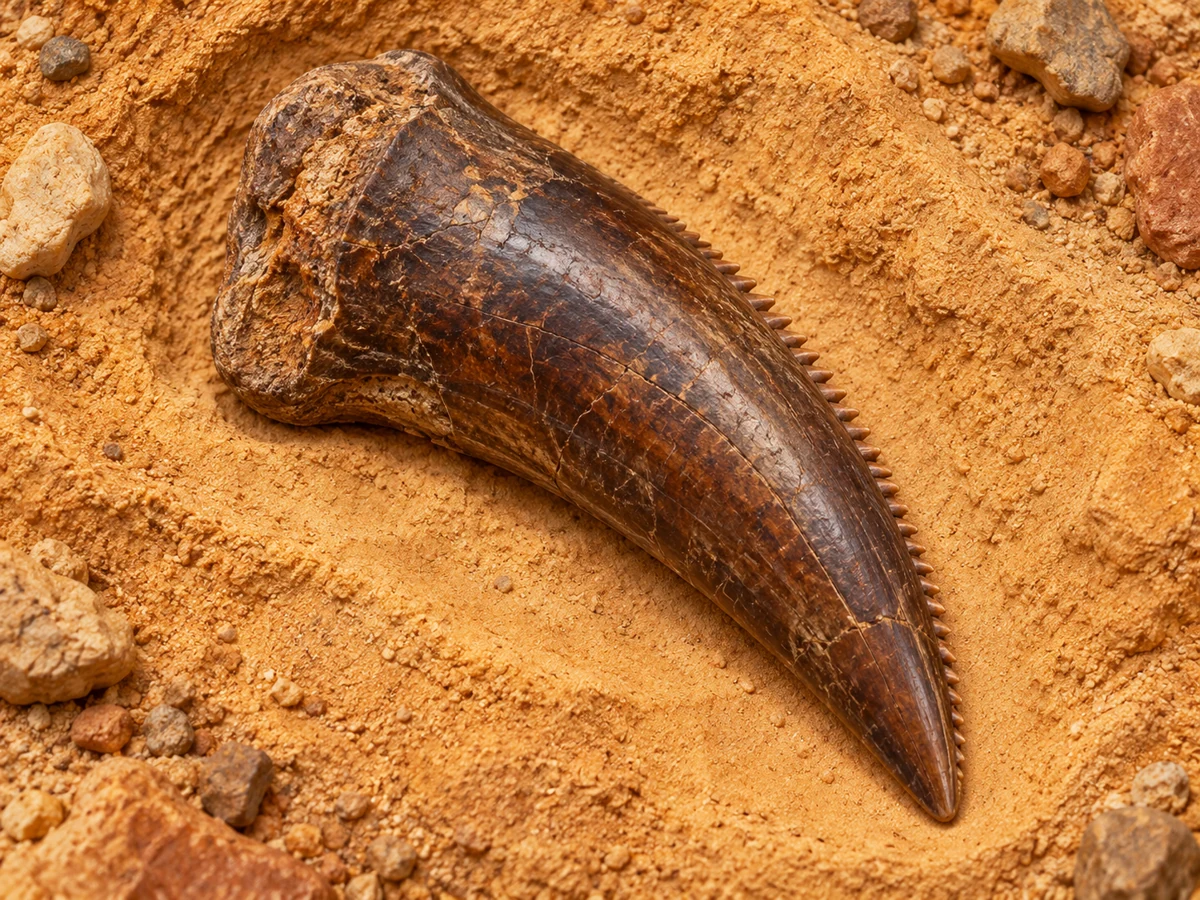
What we cannot tell: One tooth often cannot tell us the exact dinosaur it belonged to.
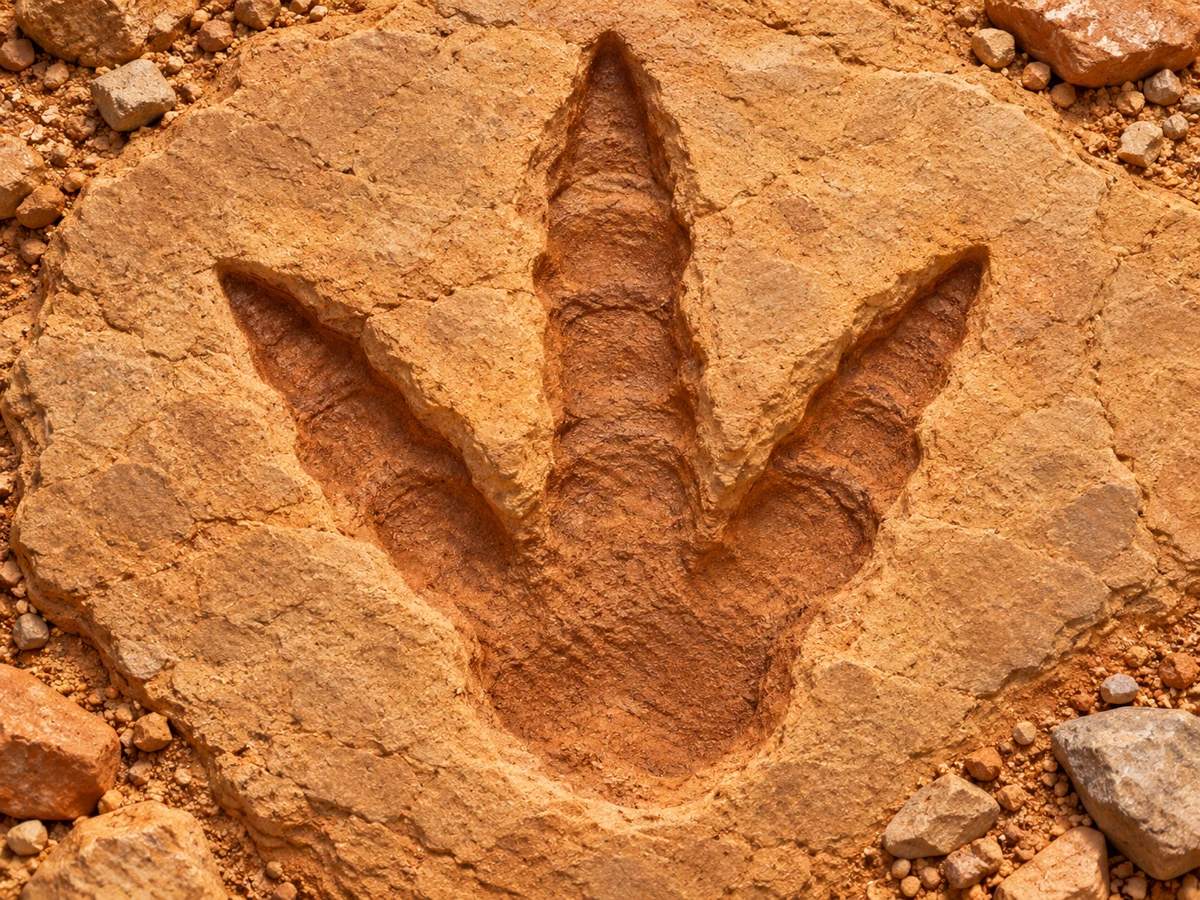
What we cannot tell: Different dinosaurs made similar prints, so a print may not name a species.
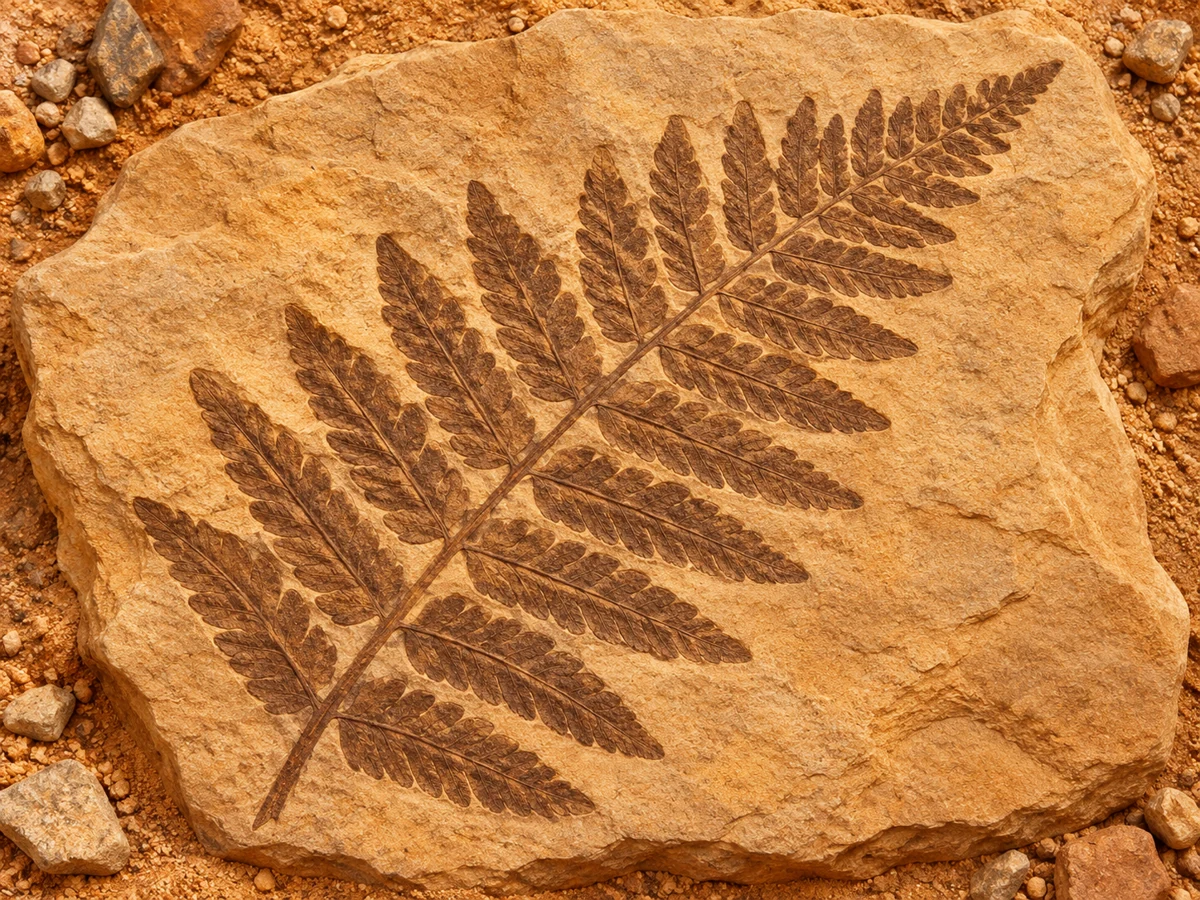
What we cannot tell: Some ancient fern-like plants had seeds. A leaf shape alone cannot identify the exact plant.
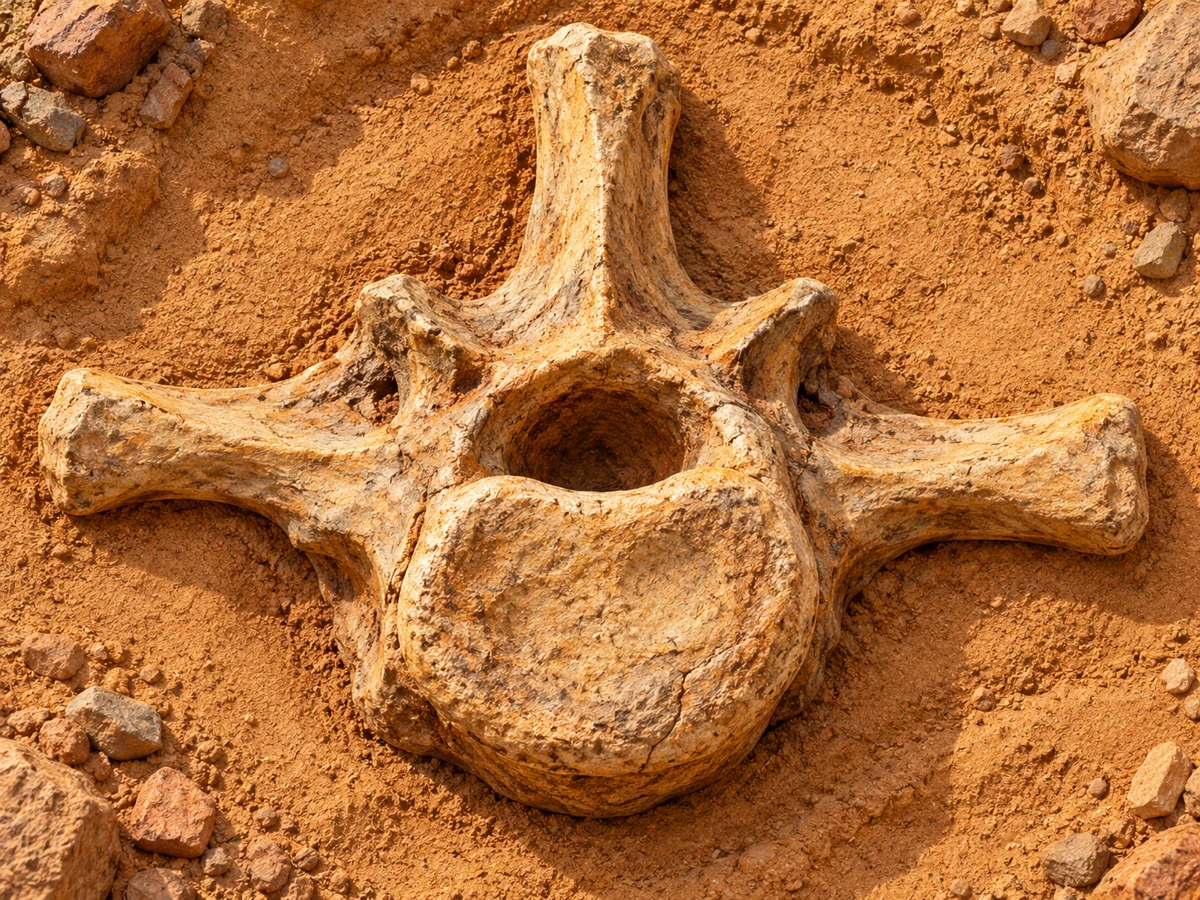
What we cannot tell: Experts compare bones carefully to work out where they fit and which animal they came from.
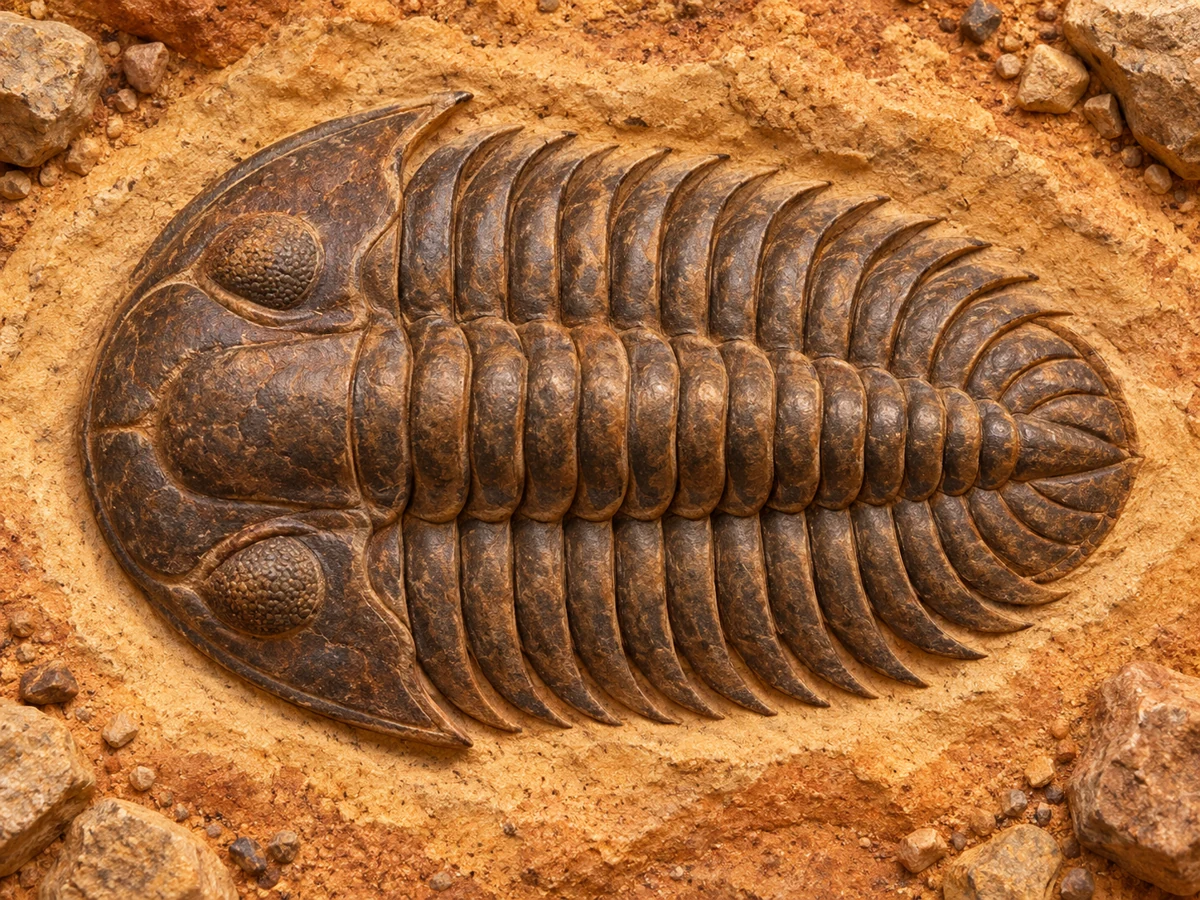
What we cannot tell: A trilobite fossil might be shed armour, called a moult, rather than the animal itself.
An imaginary dig, real curiosity. These six illustrated finds come from different places and times. They did not all live together at one site.
For curious explorers aged 5–12, with a grown-up nearby if helpful. There are no timers or penalties. All finds can be revealed without dragging, and every choice is available from a keyboard.
All fossil and soil artwork is AI-generated illustrative reconstruction, not a photograph of a real fossil or dig site. Banjo is a fictional guide. Illustrations simplify features and are not tools for identifying real specimens.
The journal and digging progress use this browser’s local storage on this device. No name, account or external AI service is used by the activity. Browser settings, private browsing or clearing site data may remove your journal. If storage fails, discoveries remain in memory during this visit; download a copy to keep them. Read-aloud uses your browser’s available speech feature; voice availability varies.
Ready for another kind of discovery?
Colour the dinosaur family